Kansas City Area
Old Insulation Removal in Kansas City Attics
Tell us what you have found in your attic and we will pass your request to a local contractor for a free removal estimate.
Sometimes the right first step is taking insulation out. Material that has been soaked by a roof leak, fouled by animals, damaged by smoke or packed down to almost nothing can hold moisture, carry odors and keep the attic from being sealed properly. Removal clears the way for a clean, effective job.
Not every attic needs a cleanout. If the existing insulation is dry and in decent shape, it can usually stay in place with new material added on top. Removal makes sense when the old layer is doing more harm than good, or when it stands in the way of other work.
The most common reason is pests. Raccoons, squirrels, mice and bats all find their way into attics around the metro, and they tunnel through insulation, flatten it and leave droppings and urine behind. Contaminated material can smell, attract more animals and pose health concerns, so it is generally removed once the entry points are closed. Water damage is the next most common cause. A roof leak, an ice dam or a bath fan venting into the attic can leave insulation matted and damp, which ruins its R-value and can lead to mold on the framing and roof deck. Smoke and soot from a house fire, even a small one, can also soak into insulation and keep an odor in the house long after the cleanup.
Removal also comes up during bigger projects. If you are planning a full air sealing job, pulling out the old layer gives the contractor clear access to every gap in the attic floor. Homeowners redoing ceilings, rewiring or converting attic space sometimes have insulation removed for the same reason.
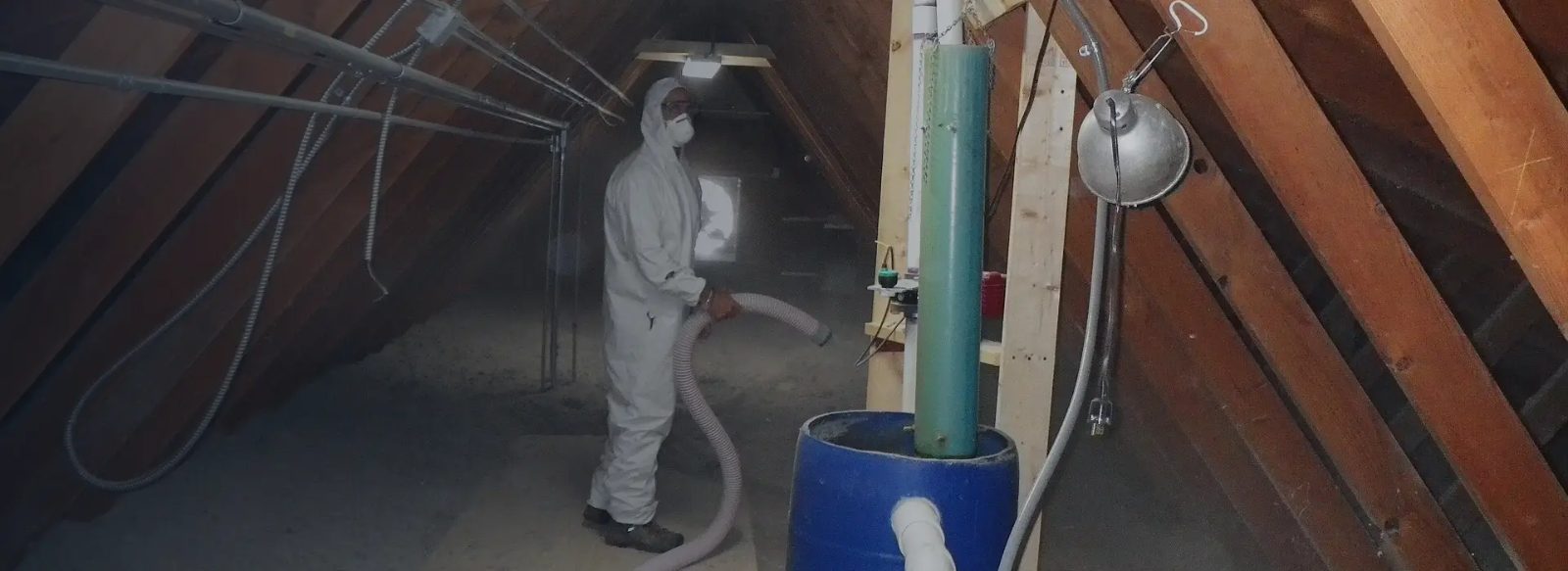
The process is usually done with a commercial vacuum system. A large hose runs from the attic to a collection unit outside, often on a trailer, and the material is pulled out into heavy bags for disposal. The contractor should protect the path through your home, set up the vacuum so dust stays contained, and wear proper protective gear. Once the attic floor is clear, they can inspect the framing, address any mold or damage, seal the gaps and install fresh insulation.
One material calls for extra care. Vermiculite, a loose fill that looks like small gray-brown or silvery pebbles, was used in many older homes, and some of it was contaminated with asbestos. The EPA advises leaving vermiculite undisturbed and having it handled by trained professionals if it must be removed. If you suspect vermiculite in your attic, mention it in your request. A responsible contractor will not simply vacuum it out like ordinary insulation, and they should explain the testing and handling steps involved.
What affects a removal estimate? The size of the attic, the depth and type of material, how contaminated it is, how easy the attic is to access, and how far the hose has to travel all play a role. Disposal and any needed cleaning or sanitizing of the attic are part of the picture as well.
Removal is handled differently depending on what has happened to the material in your attic.
Material matted or soaked by a roof leak, ice dam or bath fan venting into the attic is pulled out before mold can spread.
Insulation tunneled through, soiled with droppings or urine, or nested in is removed once entry points are closed.
Material that has taken on odor from a fire is removed so the smell does not stay in the house.
Suspected vermiculite is handled by trained professionals, and fill packed down to almost nothing is cleared for a fresh start.
Pest, water and smoke damage are treated as separate concerns, with the right precautions for each.
Suspected vermiculite is set aside for proper testing and handling instead of being vacuumed out like ordinary insulation.
The attic floor is inspected and sealed so the fresh insulation starts from a sound base.
Tell us what you have noticed in the attic and a local contractor will reach out to set up a visit and a free removal estimate.
Free — no obligations
The contractor identifies what is in the attic, checks for moisture, contamination and vermiculite, and notes how access will work.
Floors along the path to the hatch are covered and the opening is sealed so dust stays in the attic and the hose.
A commercial vacuum pulls the material into heavy bags for disposal, with protective gear worn throughout.
The framing is inspected, damage is addressed, gaps are sealed and clean insulation is installed.
Removal is worth considering if the insulation is wet or stained, smells of animals or smoke, shows droppings or nesting, or has mold on it or nearby. If it is simply thin but dry and clean, adding more on top is usually enough.
Leave it alone and avoid storing things in the attic or disturbing it. Mention it when you send your request. The contractor can explain testing options and the special handling that vermiculite requires, since some of it contains asbestos.
It should not. Removal is normally done with a vacuum hose that runs from the attic straight to a collection unit outside. The installer should cover floors along the path to the hatch and seal off the opening so dust stays in the attic and the hose.
Yes. If animals can still get in, new insulation will soon be damaged too. Entry points should be closed and any animals gone before the old material comes out. The contractor may handle sealing small openings or suggest a wildlife specialist first.