Kansas City Area
How Attic Insulation Works and What Affects the Cost
Tell us about your attic and we will pass your request to a local contractor for a free estimate.
Attic insulation is a simple idea with a few details that make a big difference. This page explains how insulation actually slows heat, how the contractor decides how much your attic needs, what the job looks like from start to finish, and which parts of the work shape the estimate you receive.
Heat always moves toward cold. In winter it flows up from your living space into the attic and out through the roof. In summer the sun heats the roof and that heat flows down into the house. Insulation does not stop this movement, but it slows it dramatically by trapping tiny pockets of still air inside fibers or foam. The measure of how well a material slows heat is its R-value, and the higher the number, the better it resists. In an attic, the total R-value depends mostly on how deep the insulation is and what it is made of.
That is why depth is the first thing a contractor checks. They measure the existing layer in several spots, note the type of material, and compare the total to the level that suits the local climate. Department of Energy guidance for this part of the country points to attic levels between R-38 and R-60. For blown fiberglass or cellulose, that usually means well over a foot of material. Many older attics have a third of that or less, and even newer attics can fall short where the installer skimped near the eaves or where people have walked and stored things.
The contractor also looks at what will help the new insulation perform. Air leaks are the big one. A layer of fluffy insulation slows heat moving by conduction, but it does very little to stop air pushing through a gap. So before adding material, the attic floor should be sealed around pipes, wires, light fixtures and the tops of walls. Ventilation matters too. Baffles at the eaves keep the new layer from blocking the soffit vents, which lets the attic stay cool in summer and dry in winter.
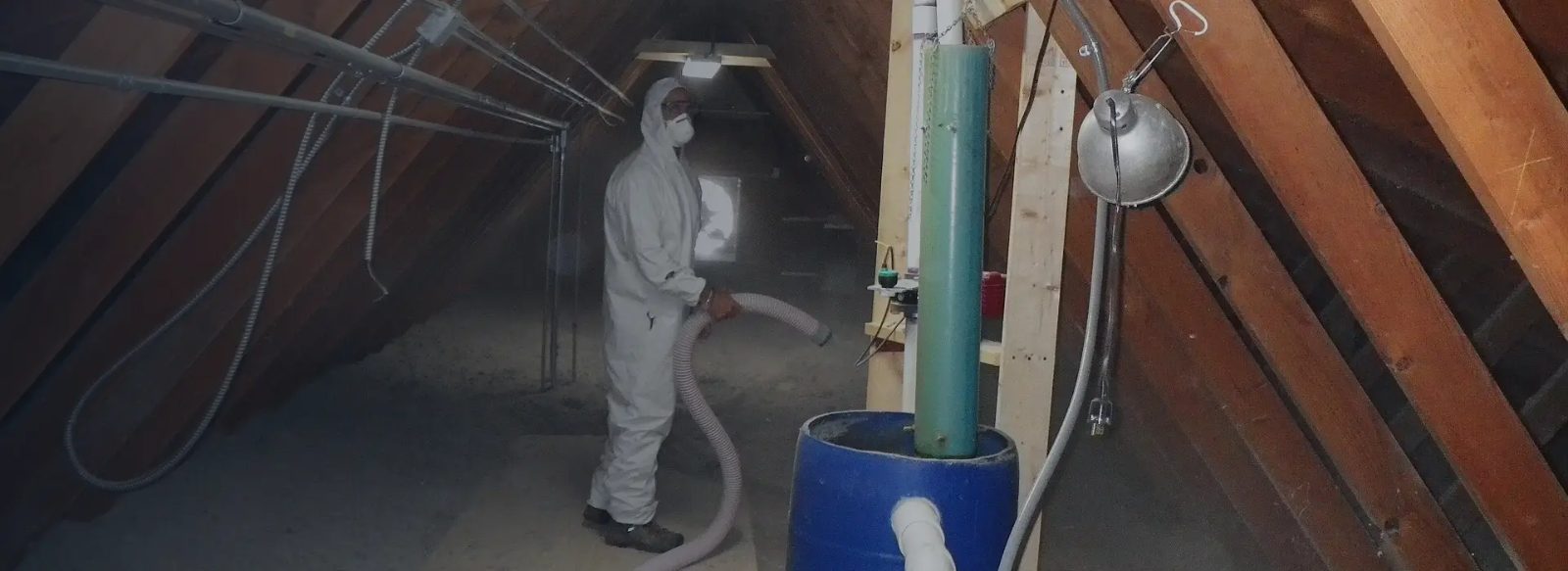
Once prep is done, the material goes in. Blown-in insulation is fed through a hose and spread evenly across the attic floor, filling around joists, wires and other obstacles. Batts are laid by hand between the joists and are often used where the attic is open and easy to move around in. Either way, the installer should leave depth rulers you can see from the hatch and a written record of what was installed.
When it comes to cost, no honest estimate can be given without looking at the attic, but the factors are predictable. The size of the attic floor sets how much material is needed. The depth already there sets how much more must be added. The target R-value and the type of material affect the amount and the price of what goes in. Access is a big one: a low roof pitch, a tiny hatch or several separate attic sections all slow the work. Prep tasks, such as baffles at each rafter bay, covers for older recessed lights, a hatch dam and fixing bath fans that vent into the attic, add time. Air sealing adds labor as well, but it is often where most of the comfort improvement comes from. If old insulation is wet, moldy or contaminated, removal becomes a separate line on the estimate.
The best way to compare quotes is line by line. Check that each one names the material, the final depth or R-value, the prep included and whether air sealing is part of the job. Two quotes that look far apart often turn out to describe two very different amounts of work.
Attic insulation work usually falls into a few common situations, and each one is handled with the same measure-first approach.
Material is added over an existing layer that has thinned or packed down, brought up to the depth the climate calls for.
Loose fill spreads evenly around joists, wires and other obstacles across the attic floor.
Batts are cut and laid by hand between the joists in open, easy-to-reach attics and knee walls.
Baffles at the eaves and covers for recessed lights keep the new layer from blocking airflow or touching fixtures.
The contractor checks the existing depth and looks for leaks and ventilation problems before recommending a plan.
The recommended depth and material follow what your house needs, not a one-size package.
Sending a request and getting the estimate are both free, with no obligation to hire.
Send a short note about your attic and a local contractor will reach out to arrange a visit and a free estimate.
Free — no obligations
The contractor measures the existing depth in several spots, identifies the material and checks for leaks, moisture and pests.
Baffles, light covers, a hatch dam and any needed repairs are put in place so the new layer stays where it belongs.
Blown-in material or batts go in to an even depth that matches the recommended R-value for your home.
The installer shows you the finished depth, marks it on the framing and leaves a record of the material and amount installed.
R-value measures how well a material resists heat flow, and higher numbers mean better resistance. For attics in this climate, Department of Energy guidance recommends roughly R-38 to R-60. The contractor will measure what you have and tell you how much to add to reach that range.
Usually yes, as long as the existing material is dry, clean and free of mold or pest damage. Adding on top saves the cost of removal. If the old layer is wet, contaminated or suspected vermiculite, the contractor will recommend dealing with that first.
Many attics are finished in a few hours to one day. Jobs that include extensive air sealing, removal of old material or several separate attic sections can take longer, and the contractor should give you a time estimate along with the price.
In most cases, no. Blown fiberglass and cellulose installs happen in the attic, and the hose usually runs through a window or door. The installer covers the area around the hatch. Spray foam is different, and the contractor will tell you if you need to stay out for a period of time.